Introduction
As a durable flooring material, homogeneous PVC flooring is widely used in commercial and public spaces such as schools, hospitals, shopping malls, and hotels. These areas experience heavy daily traffic from people, carts, and equipment, making the flooring more susceptible to dirt, wear, and scratches.
For commercial projects, maintaining clean and attractive flooring helps with the space's aesthetics and image but also extends the floor's service life. As an experienced provider of commercial PVC flooring solutions, Xinkailin outlines the maintenance guide below to help you maintain its performance and reduce unnecessary repair and replacement costs.
Common Issues & Causes with Commercial PVC Flooring
Improper cleaning and maintenance methods can lead to various issues with PVC flooring, particularly in high-traffic areas. Understanding these problems and their causes enables property management companies and building managers to take timely action before issues escalate.

Dull or Hazy Surface

Scuffs and Scratches

Stains and Discoloration

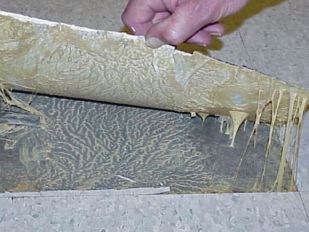
Sticky Surface
First Steps in Maintenance: Build a Maintenance Schedule
A regular maintenance schedule should be established to determine when and how to maintain homogeneous PVC flooring. As foot traffic, soil levels, and operating conditions vary by project, the following table provides a general reference.
|
Maintenance Task |
Suggested Frequency |
Main Purpose |
|
Dust removal |
Daily |
Remove dust, sand and abrasive particles |
|
Damp cleaning |
Daily / As needed |
Remove surface dirt |
|
Spot cleaning |
Immediately / As needed |
Prevent stains from setting |
|
Machine cleaning |
Weekly / Periodically |
Remove accumulated soil |
|
Surface maintenance |
Monthly / As required |
Restore appearance and surface protection |
|
Condition inspection |
Monthly / Periodically |
Identify damage at an early stage |
Daily Cleaning & Care: Your First Line of Defense
Routine cleaning is the fundamental step in maintaining homogeneous vinyl flooring in commercial projects. Promptly removing grit, dust, and surface contaminants minimizes surface wear caused by friction and reduces the workload for subsequent deep cleaning.

Dust Removal
To handle surface dust and particles, first spray a dust-attracting agent onto the floor and allow it to dry. Then, use a dust mop or vacuum cleaner to remove dust, grit, and other loose particles from the floor.

Damp Cleaning
Damp mopping is required after dust removal. Dilute a cleaning and polishing agent (such as "Wash & Shine") with water according to the recommended ratio, then clean the floor using a slightly damp mop. For large commercial projects, a floor scrubber operating at low speed may also be used.

Clean Spills Immediately
Wipe the contaminants such as food, beverages, oil, and ink clean as soon as possible, then treat any remaining marks with a diluted cleaning solution. This reduces the risk of stains seeping into floor seams or leaving residues that attract further dust.
Small Tip: We recommend placing entrance mats, which trap most grit, dust, and moisture, reducing the wear and cleaning demands at the source.
Periodic Maintenance & Surface Care to Keep Wear Under Control
After addressing surface dust and general contamination, homogeneous PVC flooring should also receive periodic mechanical cleaning and waxing to control scratches, scuff marks, and dirt buildup.

Periodic Machine Cleaning
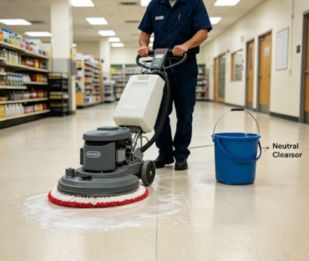
Use pH-neutral cleaners for regular machine cleaning. Avoid soapy or highly alkaline products that may leave residue or dull the surface. For large commercial areas, such as schools, hotels, and supermarklets, match an automatic scrubber with red or white (non-abrasive) pads.

Surface Wax Treatment
For homogeneous PVC flooring, monthly waxing can provide additional surface protection. Apply 1–2 coats of high-strength floor wax, then polish after drying. In high-traffic areas, more frequent waxing often leads to less frequent maintenance.
Deep Restoration for Heavily Worn Floors
When routine cleaning can no longer restore the floor's appearance, deep restoration can remove built-up dirt and old wax, refreshing the surface. Steps are:
Step 1. Remove Loose Dirt: Dust mop or vacuum.
Step 2. Remove Old Wax: Apply 1:10 diluted wax remover, wait 5–10 minutes, then scrub with a low-speed machine and red pad. Remove the dirty solution promptly.
Step 3. Rinse: Rinse and vacuum until no cleaner residue remains.
Step 4. Refinish: Apply 1–2 coats of high-strength floor wax as needed.

Ways to Remove Common Stains and Marks
Different stains require different cleaning methods. Use the least aggressive effective method and avoid strong chemicals or abrasive tools unless necessary.
▪️ Oil and Grease: Use a water-based degreaser for spot cleaning. For larger areas, dilute it 1:10 and clean with a low-speed scrubber and red pad.
▪️ Black Rubber Scuff Marks: Use maintenance spray wax with a high-speed polisher and white pad. For stubborn marks, use a dedicated scuff remover for spot treatment.
▪️ Adhesive and Chewing Gum: Apply a professional adhesive remover to a cloth and wipe the affected area. Follow with a pH-neutral cleaner to remove residue.

When Should Commercial PVC Flooring Be Repaired or Replaced?
Not every damaged floor needs to be replaced. For commercial projects, the decision mainly depends on the location, extent, and severity of the damage.
|
Floor Condition |
Localized scratches or scuffs |
Loose edges or open seams |
Localized damaged areas |
Extensive or recurring damage |
Widespread surface or structural damage |
|
Recommended Action |
Spot repair |
Prompt repair or re-welding |
Repair or replace the affected section |
Evaluate replacement |
Consider full replacement |
As a practical rule, repair localized damage when the surrounding flooring remains in good condition; consider replacement when damage is widespread or continues to affect floor performance.
What Not to Do During Commercial Vinyl Floor Maintenance
▪️ Don't leave standing water on the floor for long periods, as it may affect adhesive performance and the surface finish.
▪️ Don't drag heavy objects across the floor, as this can cause scratches and scuff marks.
▪️ Don't use blades, steel wool, or other abrasive tools, as they can damage the surface.
▪️ Don't use acetone, toluene, or other incompatible chemicals, as they may damage or discolor the PVC surface.
▪️ Don't place hot objects on the floor or expose it to prolonged direct sunlight, as excessive heat and UV exposure may cause surface damage or fading.

Conclusion
Good flooring status is less about cleaning and more about proper maintenance. Regular attention to high-traffic areas, timely repairs, and periodic restoration can help commercial facilities keep homogeneous vinyl flooring in good condition for longer.
Xinkailin - Reliable Commercial Homogeneous Vinyl Flooring Supplier
Xinkailin is a factory-direct manufacturer of homogeneous PVC flooring, with products meeting CE, REACH, and RoHS requirements. With 30+ product series and 500+ designs, we offer commercial-grade flooring options for different project environments and design needs.
Beyond flooring supply, we provide project-specific technical support, including accessories, installation guidance, cleaning recommendations, and long-term floor care.

Get Technical Support for Your Commercial Flooring Project