Introduction
As hospitals, schools, shopping malls, and other facilities place increasingly higher demands on flooring that is hygienic, durable, and easy to maintain, homogeneous PVC flooring is becoming more widely used. This is especially true for roll flooring, which is ideal for large-area installations and features fewer seams.
However, the final performance of the flooring depends on more than just product quality. Even minor issues during installation can lead to bubbles, curled edges, cracked seams, and localized loosening. As a professional manufacturer of homogeneous PVC flooring, Xinkailin will analyze common installation problems, provide installation tips, and outline maintenance methods.
Common Causes of Failed Homogeneous PVC Flooring Installation
- Defects in the Subfloor
- Moisture and Humidity Issues
- Improper Selection of Adhesive or Tools
- Insufficient Acclimatization Period
- Poor Welding and Compaction Quality
-
 Defects in the Subfloor
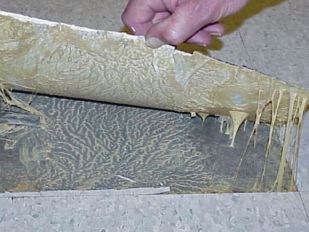
Dust, grease, and old coatings on the subfloor can all affect the adhesive's bond, causing the PVC flooring to curl at the edges or become loose. Additionally, PVC flooring is often very flexible. If the subfloor has bumps, dents, or debris, the installed flooring will appear uneven, experience uneven stress distribution, and wear out more quickly.
-
 Moisture and Humidity Issues
If the moisture content of your concrete or wood subfloor is high, particularly in the absence of a moisture barrier, it can compromise the flooring's adhesion. Accumulated moisture can lead to the continuous release of water vapor over time, preventing the PVC flooring from bonding securely and potentially causing mold growth and unpleasant odors.
-
 Improper Selection of Adhesive or Tools
Homogeneous PVC rolls should use a flooring-compatible, plasticizer-resistant adhesive, such as acrylic, epoxy, or moisture-curing types. An unsuitable adhesive can weaken the bond between the flooring and subfloor. A worn or undersized notched trowel can also apply too little adhesive, leading to poor bonding, localized loosening, or edge curling.
-
 Insufficient Acclimatization Period
Vinyl flooring expands and contracts with temperature changes. If not properly acclimatized, homogeneous through-color flooring may shrink, warp, or experience joint displacement.
-
 Poor Welding and Compaction Quality
Homogeneous PVC rolls are typically joined using a heat-welding process. The groove depth, welding temperature, and welding speed all affect the quality of the seams. Insufficient compaction after installation can also reduce the adhesion of the adhesive, thereby increasing the risk of air bubbles or lifting.
What Preparations Are Needed?
Good preparation can save a lot of trouble during installation. Let's see what to check
and have ready before you start laying your PVC flooring.

Check the Subfloor
Clean the existing subfloor before installation. Ensure the surface is level and free of debris, protrusions, and dirt. You can use a moisture meter to detect hidden damp areas and use a patching compound to fill any cracks or holes.

Acclimatize the Material
We recommend moving the PVC flooring into the installation area 24 to 48 hours in advance to allow it to acclimatize. This helps the material adjust to the ambient temperature and humidity, reducing expansion or contraction after installation.

Prepare Tools and Materials
Gather all necessary tools and materials before starting the installation. This includes a utility knife, a tape measure or straightedge, a notched trowel (for adhesive), a seam roller, and so on.
Step-by-Step Installation Process for Homogeneous PVC Flooring

First, the team should use a floor grinder to remove any residue. Next, lay the subfloor material. This is typically a thin layer of self-leveling concrete or another subfloor material that improves the floor's levelness and stability. Once the self-leveling material is fully dry, inspect the surface and then thoroughly vacuum it.

Determine the installation direction, arrangement, and joint locations of the flooring rolls based on the on-site dimensions. Plan how to handle areas along walls, doorways, columns, and other complex sections to ensure logical panel alignment and consistent texture direction. This not only enhances the aesthetic appeal of the finished installation but also minimizes material waste.

Pre-cut and pre-lay the panels according to the laid-out dimensions, checking that the seams between panels, as well as the positions along walls and around obstacles, are accurate. Use a steel straightedge to score the sheets along walls and obstacles, ensuring a tight fit. Be sure to leave an appropriate allowance. Next, use a sharp utility knife to trim off the excess. The edges of the seams should remain smooth and even.

Select an adhesive suitable for your flooring. Apply the adhesive using the notched trowel specified by the manufacturer, and control the application amount and open time according to the product instructions.

Place the homogeneous vinyl material onto the adhesive layer. After the flooring is adhered, first use a cork block to press down on the surface to level it and expel air. Subsequently, use a 50 kg or 75 kg steel roller to roll over the flooring evenly, and promptly correct any edge curling at the seams.

Once the seams have stabilized (typically after 24 hours), we will groove the seams of the roll material. The groove depth is generally about 2/3 of the flooring's thickness. Use a hot-air welding gun to weld matching PVC rods into the grooves, controlling the temperature and speed for proper fusion. After cooling, trim off excess weld material for smooth, secure seams.

Complete the finishing work along walls, doorways, and other areas. Finally, inspect for bubbles, hollow spots, curled edges, seams, and surface defects to confirm that the floor meets delivery requirements.
- 01
- 02
- 03
- 04
- 05
- 06
- 07
Post-Installation Cleaning & Maintenance Tips
Proper installation is the foundation for the long-term performance of homogeneous PVC flooring.
Following installation, appropriate cleaning procedures should be implemented for different
stages of use, and care should be taken to protect the floor during daily operation.

Initial Cleaning
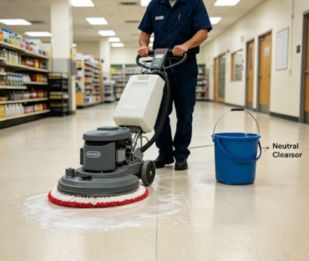
- After installation, remove dust, debris, and construction residue from the floor surface. For deep cleaning, use a floor scrubber with a cleaning pad at low speed, then use a wet vacuum to remove the dirty water, and rinse with clean water.

Daily Cleaning
- Dust mop or vacuum regularly, then damp mop with a PVC-compatible cleaner. Follow the recommended dilution and remove standing water promptly.

Periodic Deep Cleaning
- For high-traffic areas such as hospitals, schools, and shopping malls, deep clean regularly with a floor scrubber at low speed. Apply surface maintenance or polishing as required.

Stain Removal
- Treat oil, rubber marks, adhesive, and chewing gum promptly with a suitable cleaner and a soft cloth or cleaning equipment. Do not use knives, scouring pads, acetone, toluene, or other harsh solvents.

Minimize Sand and Gravel Wear
- Place dust- and sand-trapping mats at main entrances, such as entryways and lobbies, and promptly remove any sand or gravel to reduce friction on the floor caused by grit on shoe soles.

Prevent Scratches and Indentations
- Do not drag furniture, equipment, or heavy objects directly across the floor. Use protective pads or moving tools for items with sharp metal edges or hard bases to prevent scratches and indentations.

Avoid Heat & Harsh Chemicals
- Cigarette butts, irons, and hot metal objects can burn or warp PVC flooring; keep them away from the floor. Do not use strong solvents such as acetone or toluene, or any unconfirmed chemicals.

Control Water & Sunlight
- Remove standing water promptly, especially around seams and edges. Use shades or UV protection in areas with prolonged direct sunlight to avoid fading.
Conclusion
Most installation problems come down to the basics: a properly prepared subfloor, the right adhesive,
careful seam welding, and good site conditions. Get these right from the start, and homogeneous
vinyl flooring will be much less likely to bubble, lift, or shift after installation.

Xinkailin - Your Trusted Homogeneous PVC Flooring Manufacturer in China
Xinkailin manufactures homogeneous PVC flooring for commercial, healthcare, education, hospitality, and other projects. With 30+ series, 500+ colors and patterns, and 14 advanced production lines, we handle bulk orders, repeat projects, and large-scale flooring supply. We control quality from raw materials to finished products, with products tested to CE, REACH, and RoHS standards.
Facility Area
Patented Technologies
Annual Homogeneous Vinyl Flooring
On-Hand Inventory

One-Stop Homogeneous PVC Flooring Solutions
Xinkailin provides products and technical documentation tailored to specific project requirements, helping to minimize common issues encountered during installation and long-term use.
-
Factory Direct Supply
We supply products directly from our own factories, eliminating middlemen and offering competitive pricing without compromising quality.
-
Custom Solutions
Custom colors, patterns, specifications, and branded packaging are available to meet specific project and purchasing requirements.
-
Supporting Consumables
Matching welding rods and other installation consumables are available to keep materials consistent and simplify project sourcing.
-
Technical Support
From product selection and installation to cleaning and warranty, our team provides technical guidance throughout the project.
Frequently Asked Questions
Q: Are you a manufacturer or a trading company?
A: We are a flooring manufacturer with in-house production and quality control. We supply homogeneous PVC flooring, related installation accessories, and custom solutions for our partners.
Q: What is your standard roll size?
A: Our standard roll size is 2 m × 20 m. Other specifications can be discussed based on project needs.
Q: Can homogeneous vinyl flooring be installed directly over an existing floor?
A: It depends on the condition of the existing floor. If the existing floor is clean, dry, level, and firmly bonded. Uneven or damaged surfaces should be repaired first, with self-leveling compound applied and sanded smooth where necessary before installation.
Q: Can I request samples before placing an order?
A: Yes. We can provide samples for color, texture, and product quality evaluation before you place a bulk order.
Q: What is your typical delivery time?
A: In-stock products can usually be shipped within 7-10 days. For made-to-order products, lead time depends on the order quantity, specifications, and customization requirements.
Planning a Homogeneous PVC Flooring Project?